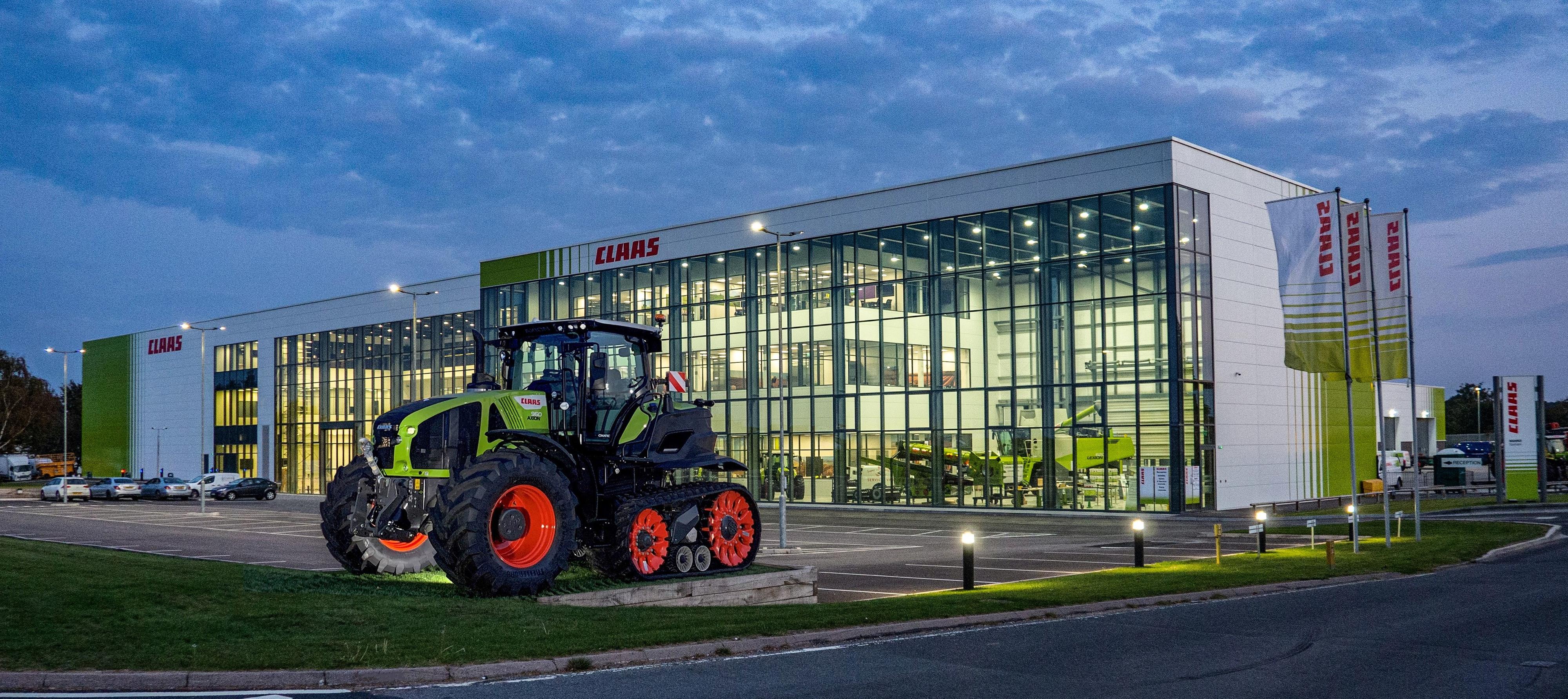

Apprenticeships at CLAAS.
Apprenticeships at CLAAS.
Lay the foundation for your future.
Lay the foundation for your future.
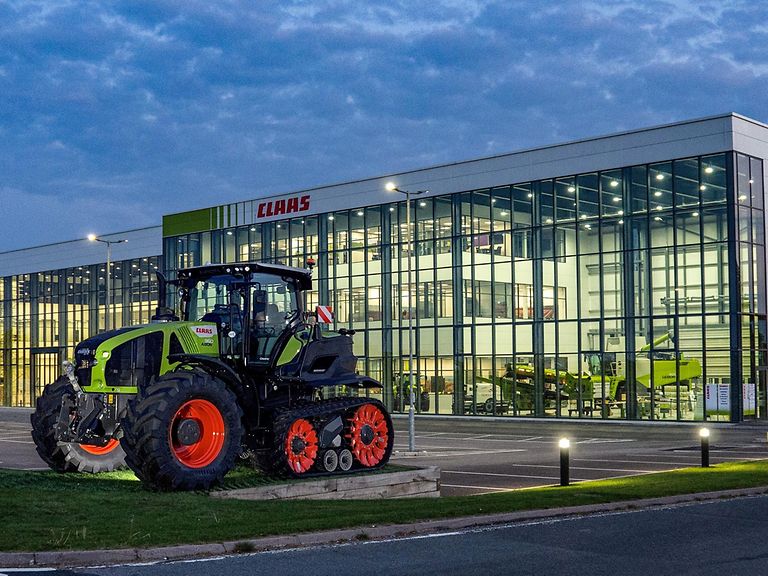
Saxham
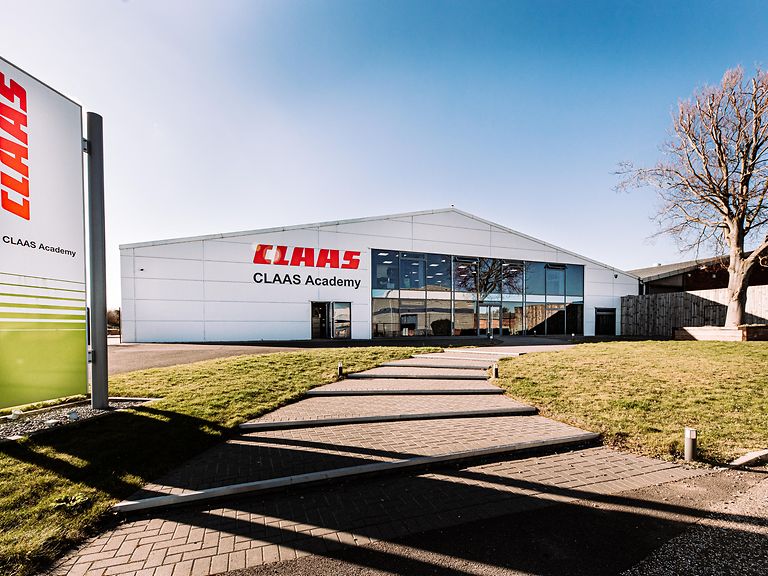

Saxham
Discover our apprenticeships here:
Discover our apprenticeships here:


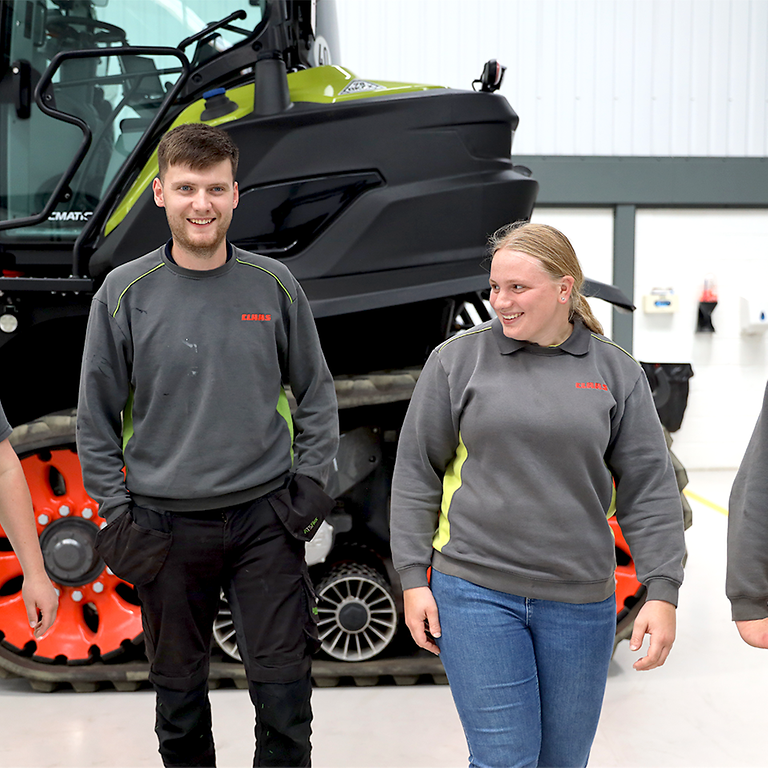

- Gain an industry recognised qualification
- Employed and based at your local CLAAS Dealership
- Be trained by industry-leading specialist CLAAS instructors
- Attend the award-winning CLAAS Academy in Saxham for block release training
- Access to the latest technology and machinery
- Earn whilst you learn
- Future training opportunities with our Master Mechanic and Master Technician pathways
Frequently Asked Questions.
Find the answer to our most commonly asked questions.
Frequently Asked Questions.
Find the answer to our most commonly asked questions.
What is an apprenticeship?
What is an apprenticeship?
An Apprenticeship combines real practical work experience together with formal ‘off-the-job’ training, giving you the opportunity to obtain industry recognised qualifications. It’s a paid position so you are literally earning while you learn, applying your knowledge and newly learned skills in the workplace.
As a responsible apprentice, you will need to be able to demonstrate that you are committed to your apprenticeship programme and that you are prepared to play an active part in your development. You will be expected to act and behave in a professional manner at all times, both at work and whilst participating in the programme, which includes a commitment to full attendance, punctuality as well as responsible and respectful behaviour.
To become an apprentice, you will need to be 16 years of age or older.
What is an Apprenticeship Standard & what qualifications will I receive?
What is an Apprenticeship Standard & what qualifications will I receive?
In England, apprenticeships have been designed by employers to meet their needs for a particular sector or job role. Apprenticeships have their own Apprenticeship Standard, which defines the skills, knowledge, behaviours that you need to acquire in order to become competent in your chosen field.
Once the apprentice has completed their training and all parties are satisfied that the apprentice has met all the criteria of the standard, the apprentice can progress to their End Point Assessment.
The End Point Assessment (EPA) is an assessment that takes place at the end of the apprenticeship and is designed to assess the apprentice against all elements of the apprenticeship; skills, knowledge and behaviours. Depending on the Apprenticeship standard, assessments could be online knowledge exams, observations, practical assessments, presentations and professional discussions.
On successful completion of your End Point Assessment, you will receive an Apprenticeship Standard certificate relevant to your apprenticeship.
What will I do when I’m not training at the Academy?
What will I do when I’m not training at the Academy?
Apprentices will work within their dealership and put their skills learnt into a real work context. Apprentices will also be required to attend virtual classrooms and complete e-learning’s as and when required in-between their blocks.
Apprentices will be set assignments to complete which will form part of their log of progression, along with participating in regular progress reviews with CLAAS UK and their dealership.
Where will I be working & how much will I be paid?
Where will I be working & how much will I be paid?
You will be employed and working with your local CLAAS Dealership and attend the CLAAS Academy in Saxham for your block release training.
As some of our dealers are independent, salary needs to be discussed directly with your dealership.
Can you explain block release and where I will stay at Saxham?
Can you explain block release and where I will stay at Saxham?
This is dependent on your apprenticeship, for Parts Retail you will be expected to attend 1 x 2-week block followed by 3 x 1-week blocks and for Engineering you will be required to attend 3 x 3-week blocks per year. Block dates are released to apprentices every academic year.
For residential apprentices, you will be allocated a shared room at a local hotel near to the CLAAS Academy in Saxham.
What happens once I pass my End Point Assessment?
What happens once I pass my End Point Assessment?
You will be invited to Saxham for our Annual Apprenticeship Graduation ceremony.
Once qualified, CLAAS will continue to provide ongoing training which is recognised as being amongst the best in the industry. You can continue your development by working towards a Master Mechanic and Master Technician qualification.
Is it a long-term career?
Is it a long-term career?
The world’s population has doubled in the last 40 years and today there are now 7.9 billion people on earth. All these people need feeding and in many parts of the world diets remain poor and need to improve. As demand increases for housing, factories and roads in order to cope with this growing world population, the land available for agriculture reduces. At the same time the agricultural land itself has to be cared for better, yet still produce more. This creates a need for bigger and more productive machines, which are also mindful of the need to protect the soil and the environment. CLAAS is a leader in such equipment.